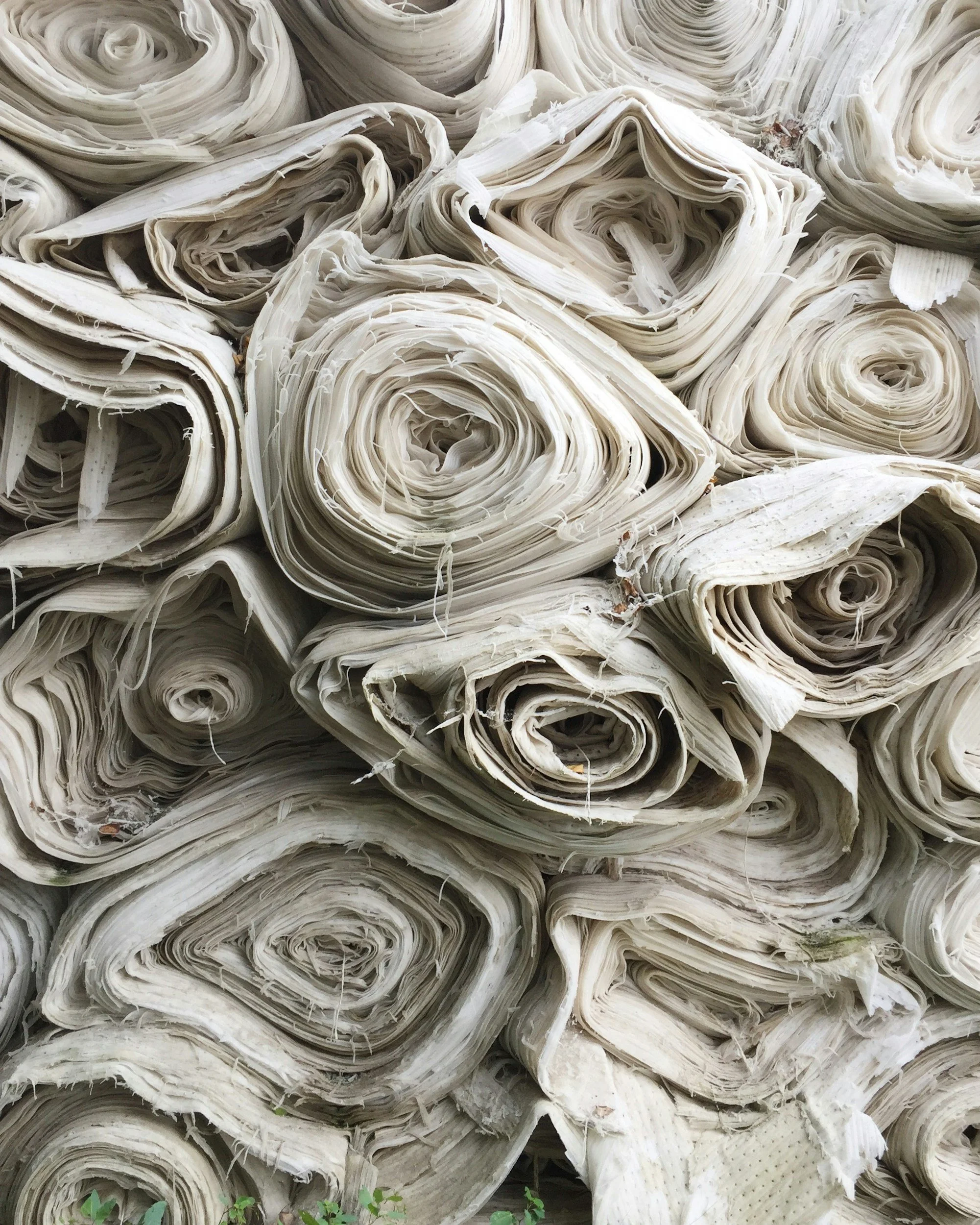
Build My Kit
Building Your 1776 Kit
Our Standard: Authenticity by Design
The 1st Virginia is committed to a high level of historical accuracy. Our clothing and gear are based on deep research into 18th-century fabrics, patterns, and construction. This dedication ensures that when we take the field, we aren't just wearing costumes—we are wearing history.
The “New Recruit" Safety Net
We know that achieving a high-quality impression takes time and financial investment. You don't have to do it all on day one.
Don't Buy Twice: We have vetted specific sources of supply. To save you money and effort, please coordinate with the Quartermaster before making any external purchases.
The Loaner Locker: We maintain a full inventory of clothing and gear specifically for new members. This allows you to participate in musters and battles immediately while you build your own kit at your own pace. Use the loaner locker for your first year. It gives you the "field experience" needed to understand which items you want to prioritize buying first.
The Goal: We believe the satisfaction of a truly authentic impression is well worth the effort.
The Quartermaster’s 12-Month Roadmap
Phase 1: The “Recruit" Essentials (Months 0–3)
Goal: Get into the field using the Loaner Locker while securing your own personal basics.
[ ] The Consultation: Meet with the Quartermaster or Quartermistress before any purchase to confirm sutlers, tailors, fabric, and pattern specs.
[ ] The "Loaner" Kit: Utilize the unit’s shared gear while you learn the ropes.
[ ] Footwear: Proper 18th-century shoes (Leather, grain-out) are the priority for safety and comfort.
Soldiers: (Leather, grain-out) are the priority for safety and comfort.
Civilians: Sturdy leather shoes.
[ ] Base Layers:
Soldiers: Linen shirt and wool stockings.
Civilians: Linen shift and stockings.
Phase 2: The “Virginia" Look (Months 4–8)
Goal: Transition away from the loaner locker and into your own unique 1st Virginia identity.
[ ] Outer Layers & Silhouettes:
Soldiers: Hunting shirt (the heart of our 1775-1776 look) or Regimental, waistcoat and breeches.
Civilians:
Women: Petticoats, bodice/jackets, and cap.
Men: Waistcoat, Jacket and breeches or trousers.
[ ] Essential Accessories:
Soldiers: Tricorn hat, canteen, and haversack.
Civilians:
Women: Kerchief, apron, and pocket
Men: Hat and personalized items.
[ ] Construction: All items must be vetted against our approved standards.
Phase 3: The “Fully Equipped" Member (Months 9–12+)
Goal: Complete your kit with the "Big Ticket" items for full field participation.
[ ] Specialized Gear:
Soldiers: Regimental coat (Blue/Red), Musket (Purchased through Unit), and leather accouterments.
Civilians:
Women: Stays (custom-fitted), cloak, or specialized trade items.
Men: Specialized trade items.
[ ] The Finishing Touches: Camp gear, blanket rolls, and period-correct personal effects.
[ ] Readiness: You are now fully equipped to represent the 1st Virginia in the field or camp.
Steve
Quartermaster
Emily
Quartermistress
Questions?
Whether you are enlisting as a Continental soldier or joining our civilian homefront, our Quartermaster team is here to guide you to the right sources. Please reach out to them before you place an order, cut any fabric, or purchase a "modern equivalent." We are here to ensure your kit is authentic, comfortable, and cost-effective from day one.
When to reach out:
You’re ready to start Phase 1 or transition into the next phase.
You need a price sheet for "Unit Supply" items (Coats, Hunting Shirts, Stays, etc.).
You found a piece of gear and want to verify it’s "period correct."
You need a referral to a vetted 18th-century tailor or pattern maker.
Uniform Standard Detail Descriptions
Sourcing Your Gear: The “Unit Supply" Advantage
To ensure every member looks their best and maintains our high standards, certain specialized items are sourced directly through the unit or our designated regimental tailors. This ensures your kit is historically accurate, properly fitted, and cost-effective.
Why we handle specific items internally:
Authenticity Guaranteed: We ensure every piece uses verified 18th-century patterns and correct material weights.
Expert Construction: Our items are often crafted by experienced unit members or vetted specialists.
Bulk Savings: Centralized ordering allows us to leverage group discounts, saving you money.
Faster Turnaround: Streamlined sourcing helps you get into the field sooner.
Unit-Sourced Equipment
The following items are handled through the 1st Virginia Quartermaster. We source these in bulk or through our vetted artisans to ensure the highest level of authenticity, best price, and perfect fit.
| Item | Status | Why through the Unit? |
|---|---|---|
| Regimental Coat | Tailored | Guaranteed 1770s cut, correct wool/colors. |
| Hunting Shirt | Unit-Stitched | Signature piece; standardized fringe/fit. |
| Breeches | Tailored | Proper construction for durability. |
| Haversack Kit | Ready-to-Use | Correct weave and sizing for rations. |
| Cartridge Box | Vetted Source | Ensures safety and period hardware. |
| Canteen | Bulk Order | Consistent style for a uniform look. |
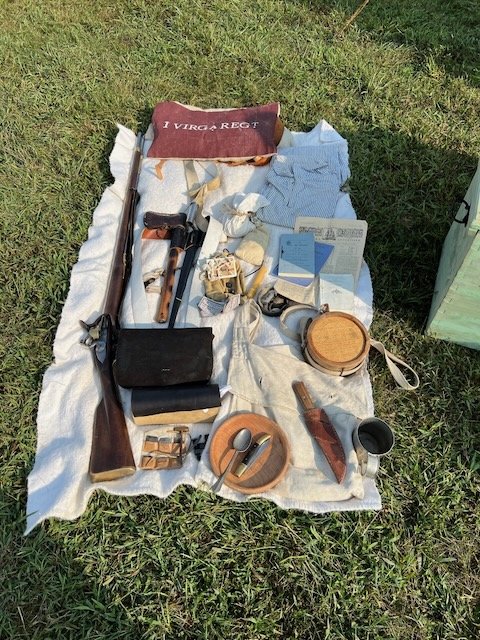
Need something not on the list?
If you need an item that is not listed, please check with the Quartermaster (QM) before purchasing on your own. We maintain a list of recommended sutlers for every specific piece of gear. We would much rather help you find the right source the first time than have you spend money on an item that doesn't meet our standards.
Get in Touch: For a current list of unit-made items, prices, and availability, please contact our Quartermaster directly.
How to Order: > Please reach out to the Quartermaster to receive a current price sheet and our estimated production timeline. If you have a specific item in mind not listed here, consult the QM before purchasing to ensure it meets our safety and authenticity requirements.
The Master Kit & Fabric Guide
Taking the guesswork out of your first stitch.
This section provides the bare minimum requirements for an acceptable basic kit. To ensure your investment lasts, we have vetted these sources for the best balance of historical accuracy and value.
1. The Essential Foundation: Linen
Linen is the "entry-level" fabric for everyone. It is breathable, affordable, and historically accurate for the Virginia climate.
Best For: Shirts, Shifts, Aprons, and lightweight Petticoats.
Recommended Source: Fabrics-Store.com
2. The Winter & Formal Standard: Wool
If you are joining during the cooler months, wool is a necessary investment. While more expensive, its durability and warmth are unmatched.
Recommended Source: Wm. Booth Draper
Fabric Selection Guide:
Flannel (White only): Best for shirts, shifts, or petticoats.
Worsted & Silk/Wool Blends: Best for waistcoats, breeches, and gowns.
Wool Broadcloth: The gold standard for regimental coats and cloaks.
For military coats, breeches, or winter civilian wear, wool is the required standard.
| Garment / Item | Primary Fabric / Material | Recommended Source |
|---|---|---|
| Shirts & Shifts | White Linen (Lightweight) | Fabrics-Store.com |
| Breeches & Waistcoats | Wool (Worsted/Broadcloth) | Wm. Booth Draper |
| Regimental Coats | Wool Broadcloth | Wm. Booth Draper |
| Petticoats & Gowns | Wool Flannel / Worsted | Wm. Booth Draper |
| Hunting Shirts | Sturdy Linen (Natural) | Fabrics-Store.com |
| Aprons & Kerchiefs | Fine White Linen/Cotton | Fabrics-Store.com |
| Footwear (Brogans) | Leather (Grain out) | Consult Quartermaster |
| Hats (Tricorn) | Felt (Wool/Fur) | Consult Quartermaster |
Instructional Video
Patterns & Construction
Every page in this section contains direct links to the specific patterns you need. Before you cut your fabric, please review the pattern with the Quartermaster to ensure it matches the 1st Virginia’s researched construction details.
Take the Guesswork Out: We use patterns from Kannik's Korner or Burnley & Trowbridge. Before purchasing a pattern or "modern" equivalent, please check in with our Civilian Coordinator to ensure the silhouette matches the 1770s Virginia style.